Exterior Brick Paint: Why Breathability Matters
Exterior Painting
October 7, 2026 | by PBA Services
Painting a brick exterior is one of the fastest ways to change how a home looks from the street. A dated red-brick ranch can become a crisp white farmhouse or a soft gray modern in a matter of days. But brick isn’t siding. It’s a porous masonry material that soaks up water and lets it back out, and the paint you choose decides whether that moisture can still escape.
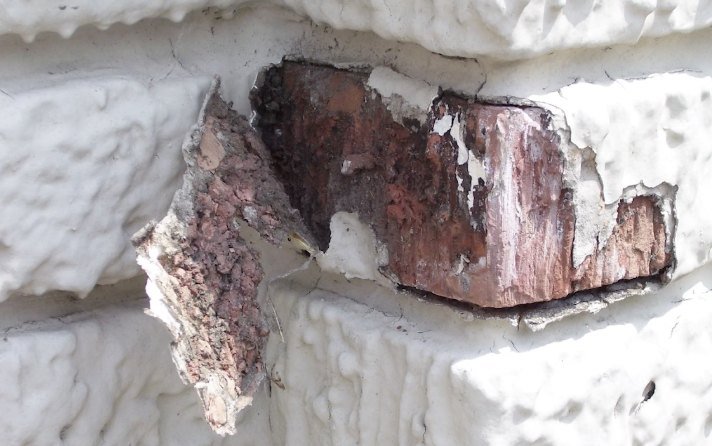
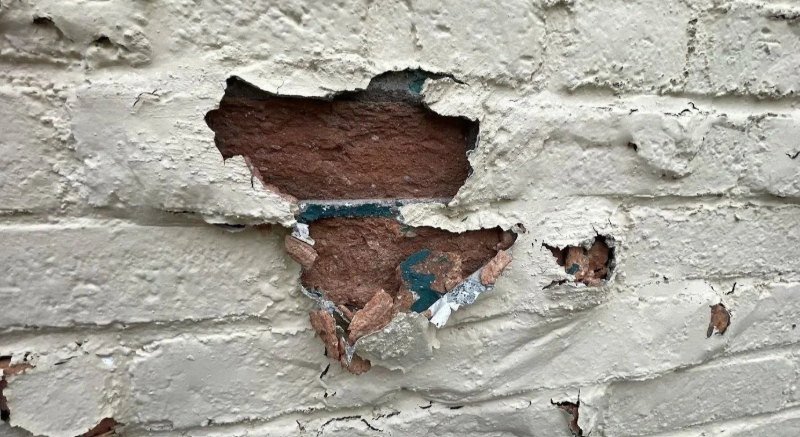
When the wrong coating seals moisture in, the damage happens slowly and out of sight. Paint bubbles and peels, white mineral deposits bloom across the surface, and eventually the face of the brick and the mortar around it can start to flake and crumble. In Dallas–Fort Worth, where homes go from soaking spring storms to triple-digit summer heat and the occasional hard freeze, trapped moisture gets plenty of chances to do its work.
This guide explains why brick needs to breathe, which paints to avoid, what to use instead, and the prep work that decides how long a brick paint job lasts.
Brick and mortar are full of tiny pores. Rain, sprinkler overspray, humidity, and even moisture from inside the house work their way into those pores, then evaporate back out when the weather dries. That constant in-and-out movement is normal, and healthy brick handles it for decades.
Paint changes the equation. Most paints form a film over the surface, and some films let water vapor pass through far more easily than others. When the film is too tight, moisture that gets into the brick through mortar joints, small cracks, the tops of walls, or from inside the home can’t evaporate out through the face. Instead, it collects right behind the paint.
Sherwin-Williams puts the risk plainly in its exterior product selection FAQ:
“If the exterior coating traps moisture, blistering and peeling will occur.”— Sherwin-Williams
Peeling paint is only the first symptom. Water moving through masonry carries dissolved salts toward the surface, and when it finally dries, those salts crystallize and expand inside the pores. In a freeze, trapped water expands as it turns to ice. Repeat either cycle enough times and the outer face of the brick can break away, a failure known as spalling, while soft mortar joints turn sandy and wash out.
Most brick paint failures we see trace back to one of three choices made before the first coat went on:
| Coating | Breathability | Risk on Exterior Brick |
|---|---|---|
| Oil-based (alkyd) paint | Low | High – tends to trap moisture, blister, and peel |
| Interior or general-purpose paint | Varies | High – weak adhesion and alkali resistance on masonry |
| Bargain exterior paint | Varies | Moderate to high – early chalking, cracking, and peeling |
| Masonry primer + 100% acrylic topcoat | Good | Low – when applied over clean, dry, sound brick |
| Mineral (silicate) paint or limewash | Very high | Low – bonds into the brick instead of forming a film |
Breathability is only half the story. A coating also has to stay bonded to the brick through years of North Texas sun and storms, which is why the product and the prep work matter equally.
The right approach treats brick paint as a system built for masonry, not a single can of color. These are the options we recommend most often:
For most painted brick homes in Dallas–Fort Worth, this is the workhorse system. A masonry primer or conditioner soaks into the porous surface, handles the brick’s natural alkalinity, and gives the topcoat something solid to grip. Two coats of a quality 100% acrylic exterior paint go on top. Sherwin-Williams, for example, recommends priming exterior brick with its Loxon masonry primer or conditioner and finishing with two coats of 100% acrylic paint in its guidance on the best way to paint exterior brick.
Many manufacturers make paints formulated specifically for masonry, stucco, and brick, with alkali resistance built in. Read the label and product data sheet before you buy, and look for a product rated for exterior masonry. Keep in mind that not every masonry coating is highly breathable. Thick elastomeric coatings, for instance, are built to bridge hairline cracks and shed water, which makes them a better fit for some walls than others.
Mineral (silicate) paints and limewash soak into the brick and bond with it rather than sitting on top as a film, which makes them among the most vapor-open finishes available. They’re a strong choice for older or softer brick and for homeowners who want a matte, natural look that weathers gracefully over time.
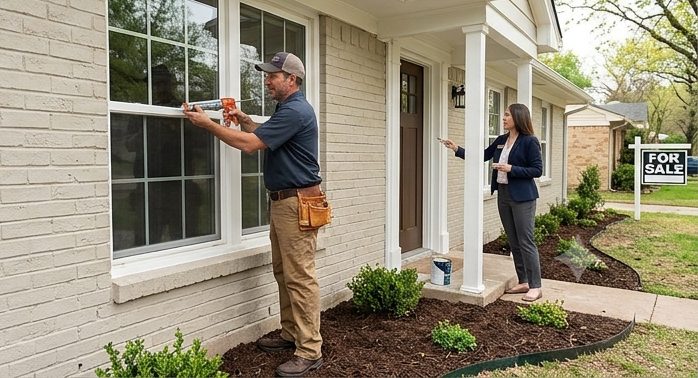
Even the best masonry paint will fail over dirty, damp, or damaged brick. Here’s the order our team follows before a single coat goes on:
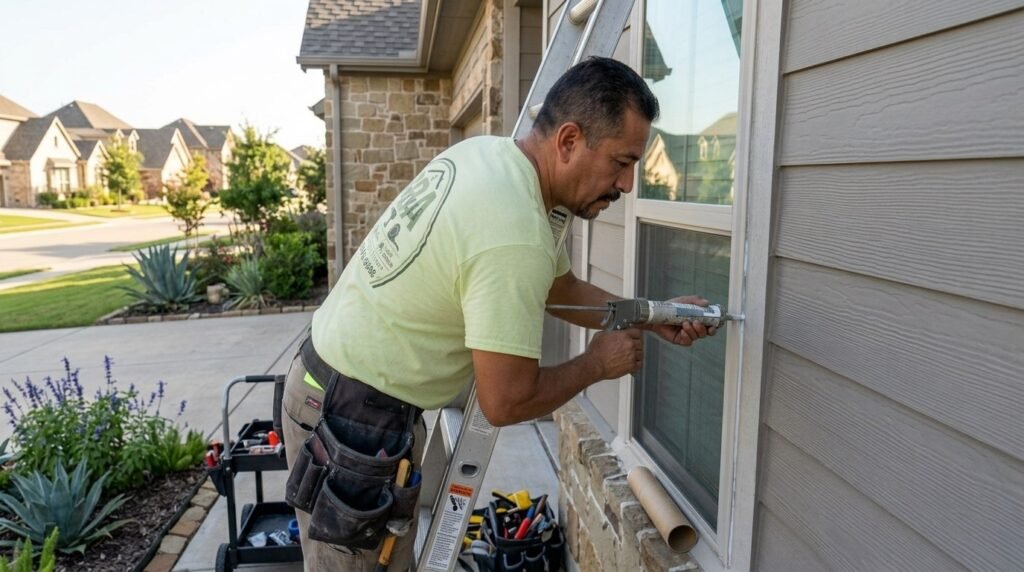
Prep is the least glamorous part of the job, and it’s where cutting corners costs the most. On every exterior painting project, our team checks for moisture sources, mortar damage, and failing old coatings before we recommend a product.
If your brick is already painted, watch for these signs, especially low on the walls, under windows, and near downspouts:
Don’t simply paint over these problems. A fresh coat on top of trapped moisture usually fails faster than the first. The fix is to find where the water is coming from, remove failing paint with masonry-safe methods (never sandblasting, which strips away the brick’s hard outer face), repair damaged brick and mortar, and then repaint with a breathable system.
Paint isn’t the only way to change the color of brick. Here’s how the most common options compare:
| Feature | Masonry Paint System | Mineral Paint / Limewash | Masonry Stain |
|---|---|---|---|
| Look | Solid, uniform color | Matte; can let brick texture show | Changes the brick’s tone while keeping its natural texture |
| Breathability | Good with the right products | Very high | Very high – soaks in without forming a film |
| Color Range | Widest | More limited | Limited |
| Upkeep | Repaint as the finish ages | Limewash wears gradually and may need refreshing | Fades slowly; doesn’t peel |
| Best For | Full color changes and modern looks | Older or softer brick and a natural look | Updating brick color without a painted look |
The right choice depends on the age and condition of your brick, the look you want, and how much upkeep you’re comfortable with. If you’re unsure, a quick on-site look usually makes the answer clear.
Can you use regular exterior latex paint on brick?A quality 100% acrylic exterior paint is commonly used on brick, but it should go over a masonry primer or conditioner on clean, dry brick. Avoid oil-based paints and interior paints, which don’t handle moisture movement and masonry alkalinity well.
Will painting brick make it crumble?Not on its own. Problems start when a coating traps moisture inside the brick, or when brick is painted while it’s wet, dirty, or damaged. A breathable system over properly prepared brick is designed to let moisture escape.
How long should new brick wait before it’s painted?Sherwin-Williams recommends letting new brick weather for about a year before painting so minerals in the brick can leach out first.
Can brick damaged by the wrong paint be fixed?Usually, yes. Once the moisture source is corrected, failing paint can be removed with masonry-safe methods, damaged brick and mortar can be repaired, and the wall can be repainted with a breathable system.
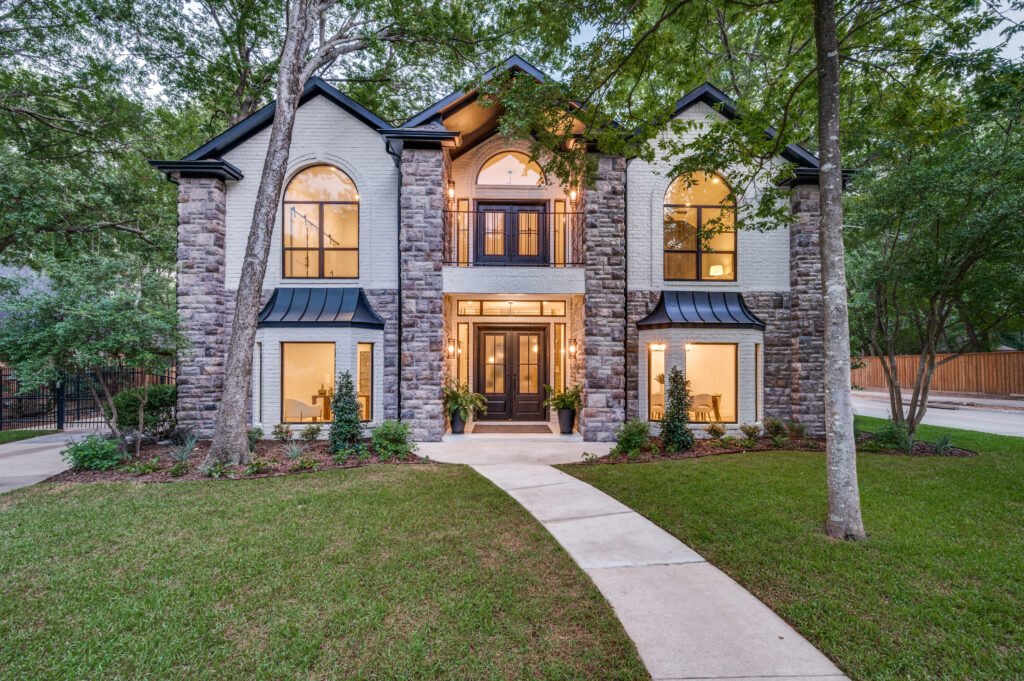
Painting brick is a long-term decision. Done right, it refreshes your home’s curb appeal and protects the masonry underneath. Done wrong, it can lock in moisture and turn a cosmetic update into a costly repair.
PBA Services handles exterior painting, exterior repairs such as mortar and trim work, and the prep that keeps brick healthy for homeowners, Realtors, and property managers across Plano, Frisco, McKinney, Flower Mound, Grapevine, and the rest of Dallas–Fort Worth.
Not sure whether your brick is a good candidate for paint, or what’s causing the peeling you already have? Request a free estimate and we’ll take a look.
Call: (469) 992-0905 – or fill out the form: